STREAM-IT Mentoring program: Developing communication skills and personal brand in science
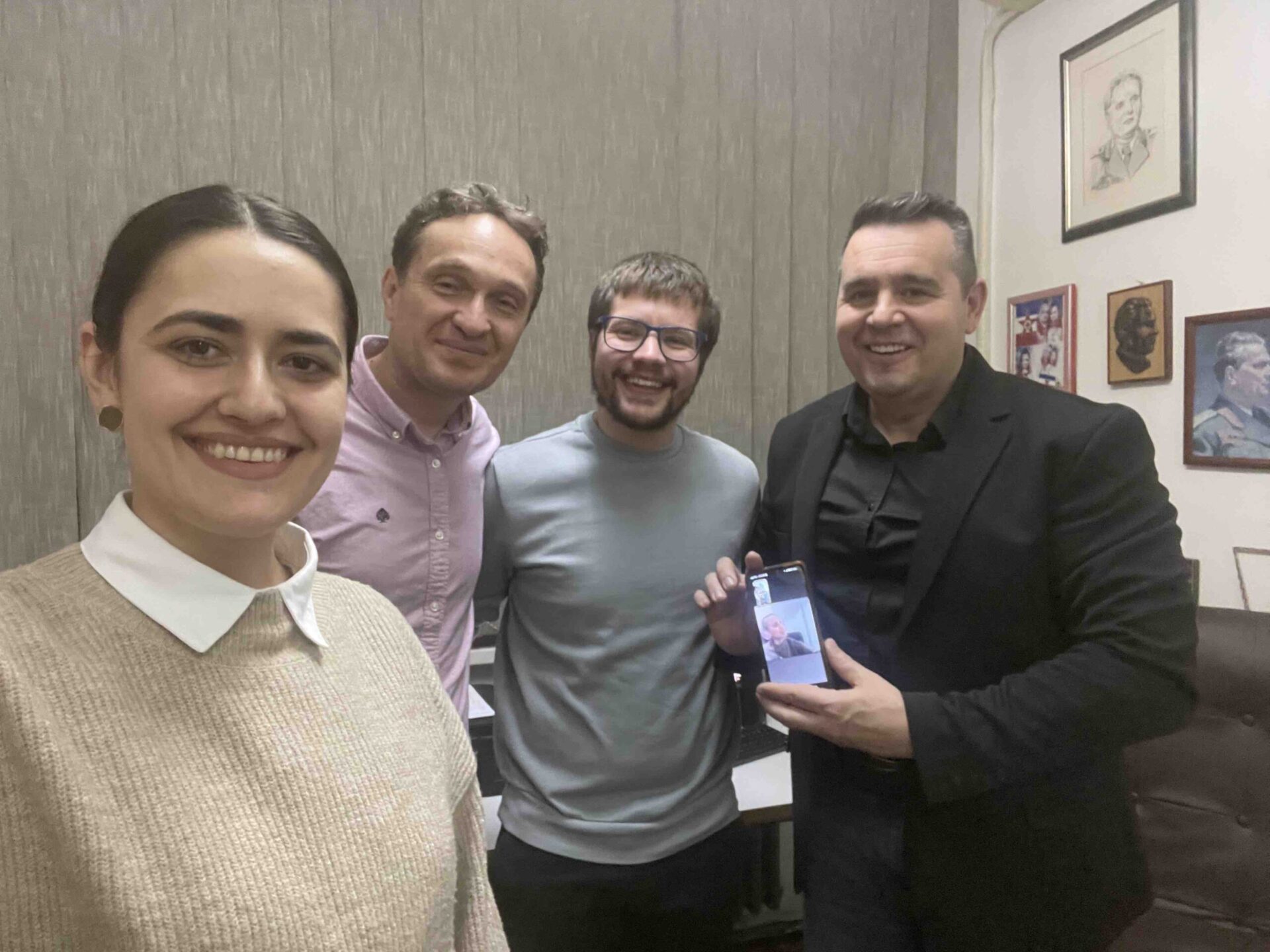
The Mentoring program for capacity building in science communication is in full swing, with participants actively working on developing their communication skills and personal brand. After a successful start with the introductory Bootcamp, the current phase challenges participants to focus on self-confidence, self-evaluation, and individual professional development.
At the moment, participants are engaged in intensive interactive sessions with our mentors, where they learn how to:
- Objectively evaluate their presentations and public performances – using self-assessment techniques that help them recognize their strengths and areas for improvement.
- Develop strategies for managing personal resources and time – self-management skills that are key to balancing research work with presentation abilities.
- Build their personal brand as scientists – creating visibility and credibility that distinguishes them within the scientific community and the wider public.
- Set concrete goals for professional growth – and receive personalized guidance from mentors on how to achieve them.
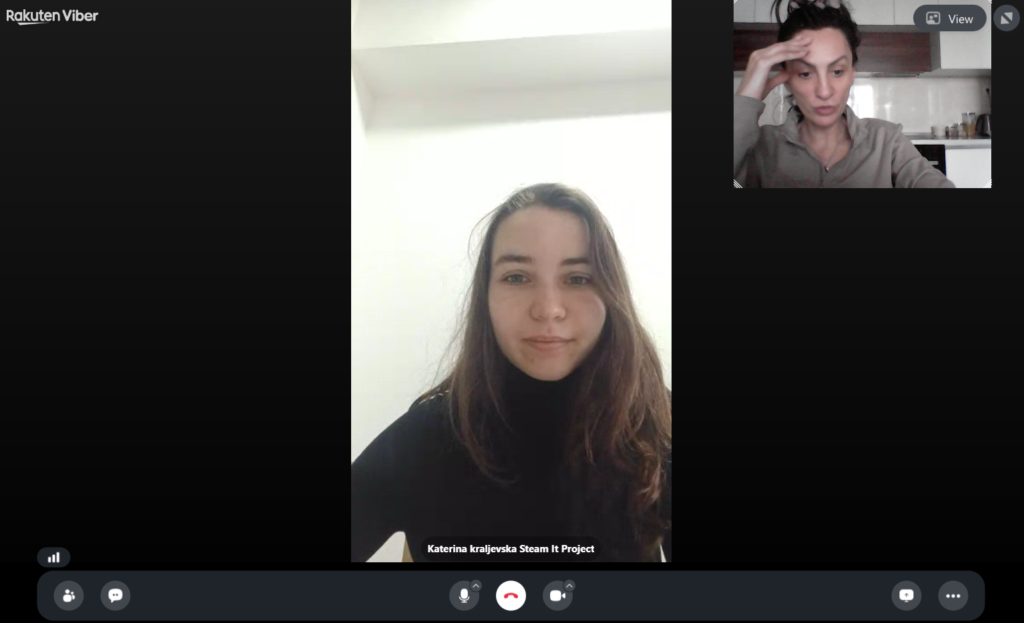
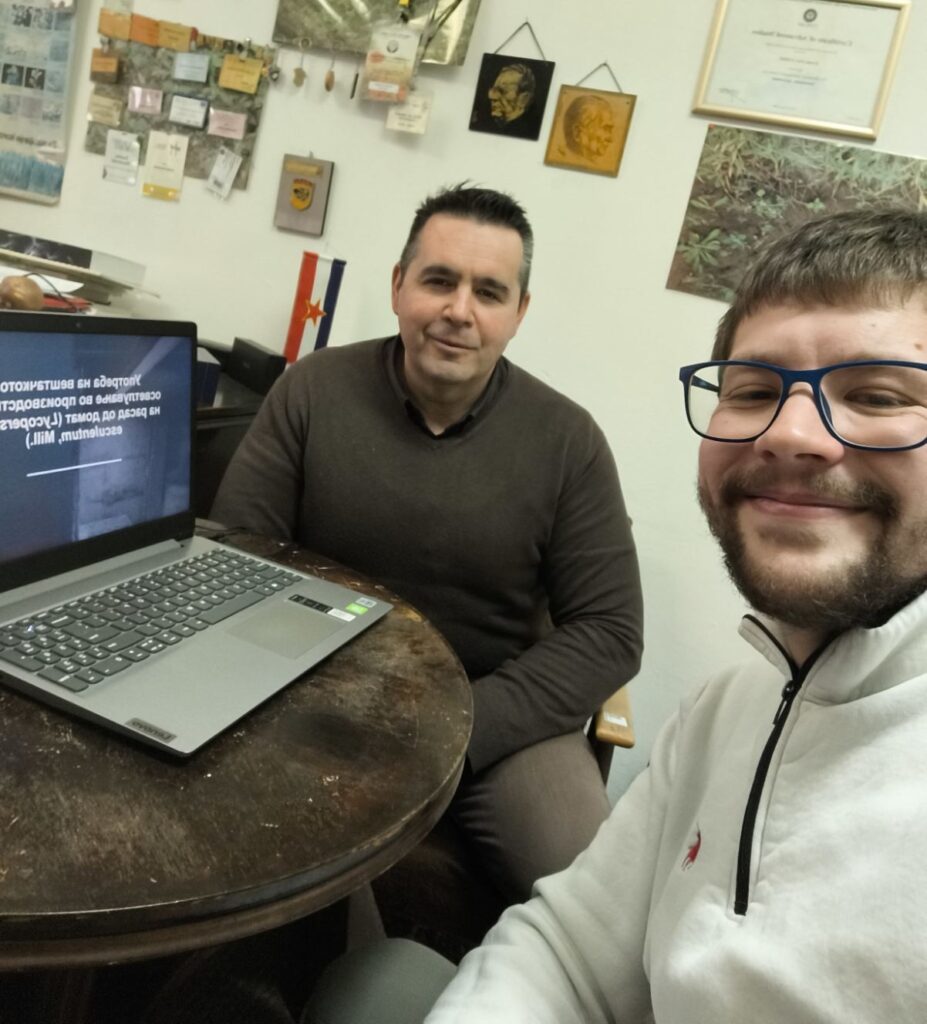
Each participant works both individually and in groups, receiving constructive feedback, practical tools, and expert guidance from experienced mentors who help them turn their ideas and research into clear, inspiring messages.
This intensive development not only prepares participants for the national scientific communication competition in May 2026 and the international competition in Budapest in June 2026, but also equips them with skills that will serve them throughout their careers: from presenting research to colleagues, to communicating with media and the broader public.
This program is part of the ST(R)E(A)M IT project, a project which aims to initiate change about the persisting gender inequalities in STEM education, research, and innovation to contribute to the implementation of the ‘The European Manifesto for gender-inclusive STE(A)M education and careers.’ The project aims to overcome the barriers and challenges faced by underrepresented groups in STEM. It focuses on developing innovative, gender- and diversity-inclusive tools for educating young people, particularly young girls. Additionally, the project seeks to mobilize stakeholders from various sectors of STEM education and the R&I ecosystem to create sustainable networks that provide ongoing support to STEM education providers.