
MIR foundation in France: New European experiences and partnerships for a more sustainable textile industry
From traditional craftsmanship to circular fashion and advanced recycling technologies, MIR took part in a European exchange of knowledge, experience and innovative solutions shaping the future of the textile sector.
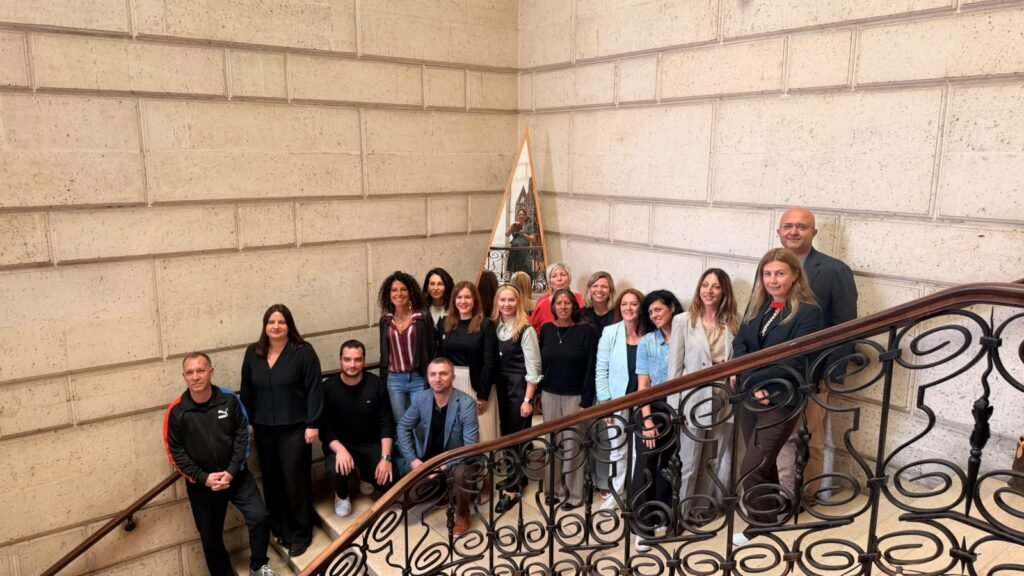
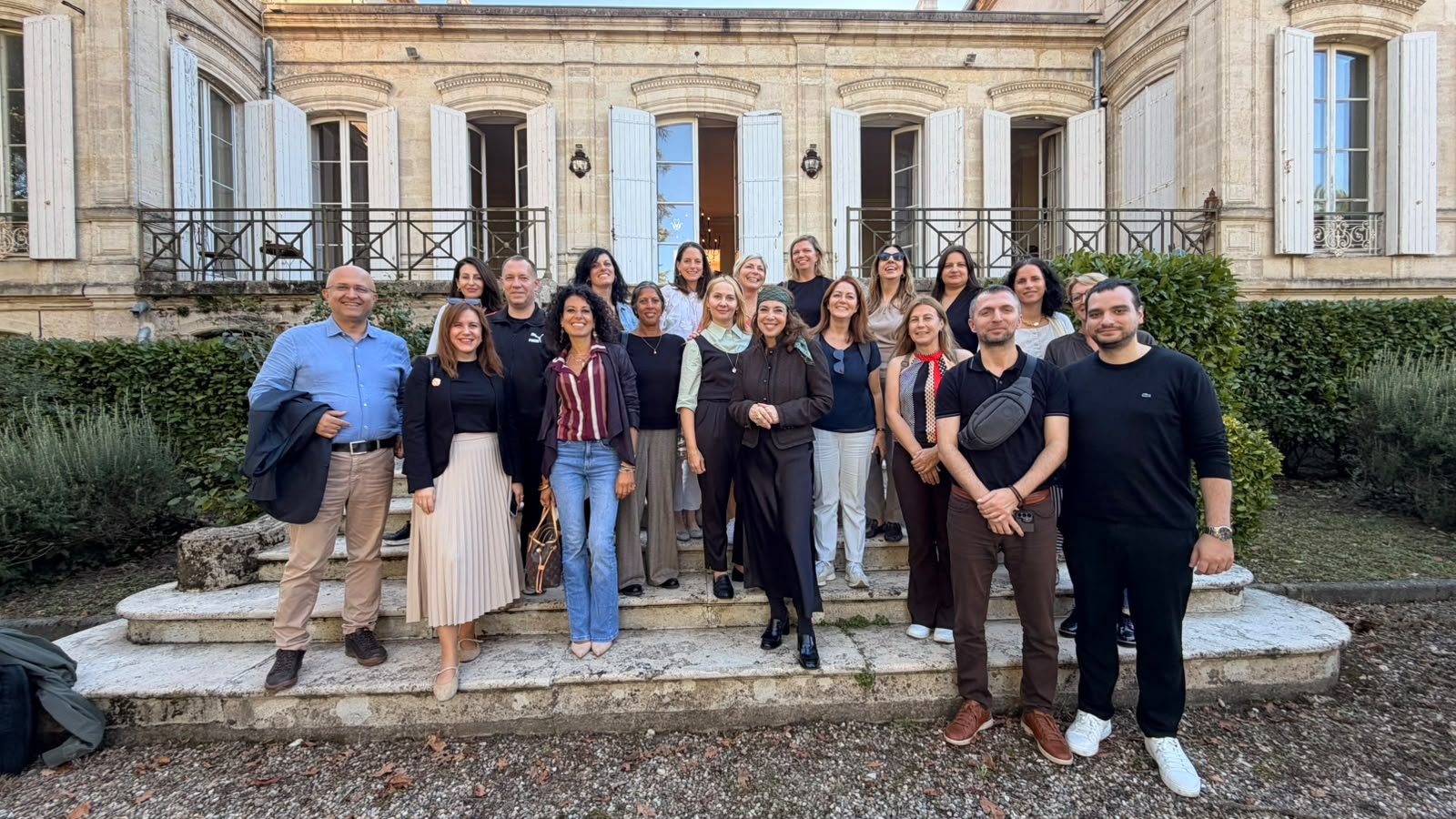
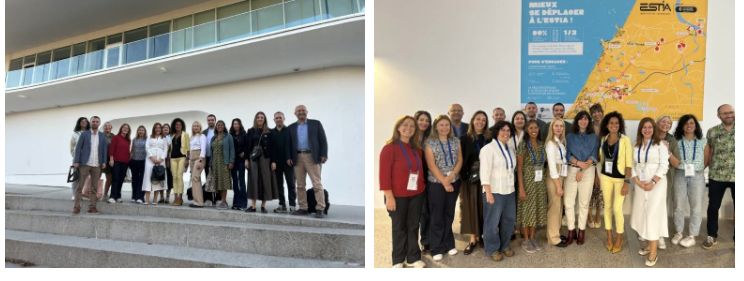
From 13 to 16 October 2026, Emilija Andonova, Programme Manager at MIR, participated in the Enterprise Europe Network Sector Group Textiles Meeting 2026, held in Bordeaux and Biarritz, France. The multi-day programme brought together representatives and experts from across Europe, creating an opportunity to exchange experiences, good practices and ideas for the future development of the textile and fashion industries. The discussions focused on some of the most important transformations currently reshaping the sector – the circular economy, sustainable production, innovation, emerging technologies, skills development and international cooperation.For MIR foundation, participation provided an opportunity not only to follow current European trends, but also to establish new contacts, exchange practical experiences and explore possibilities for future partnerships and cooperation.
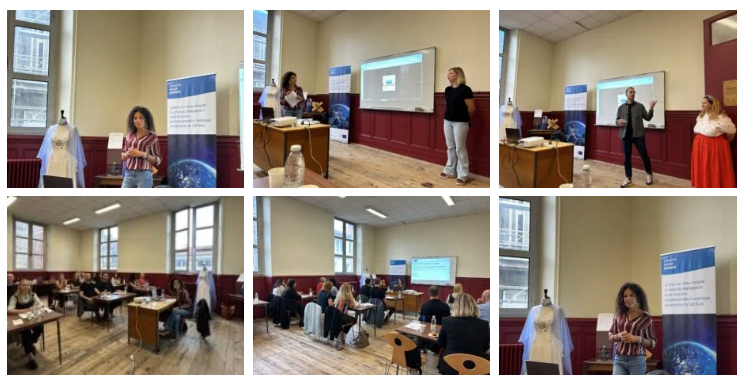
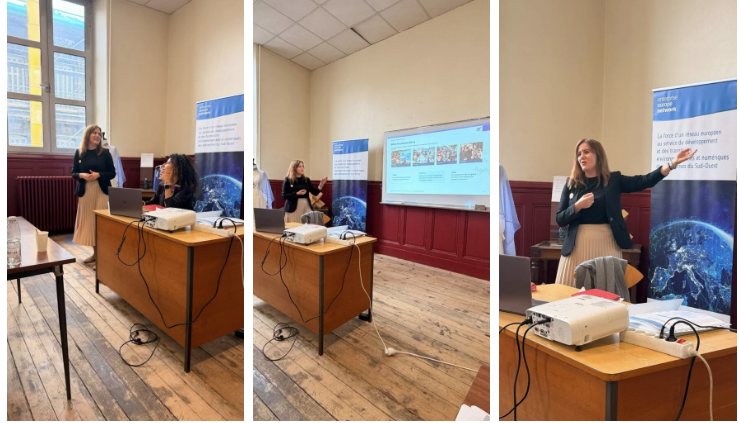
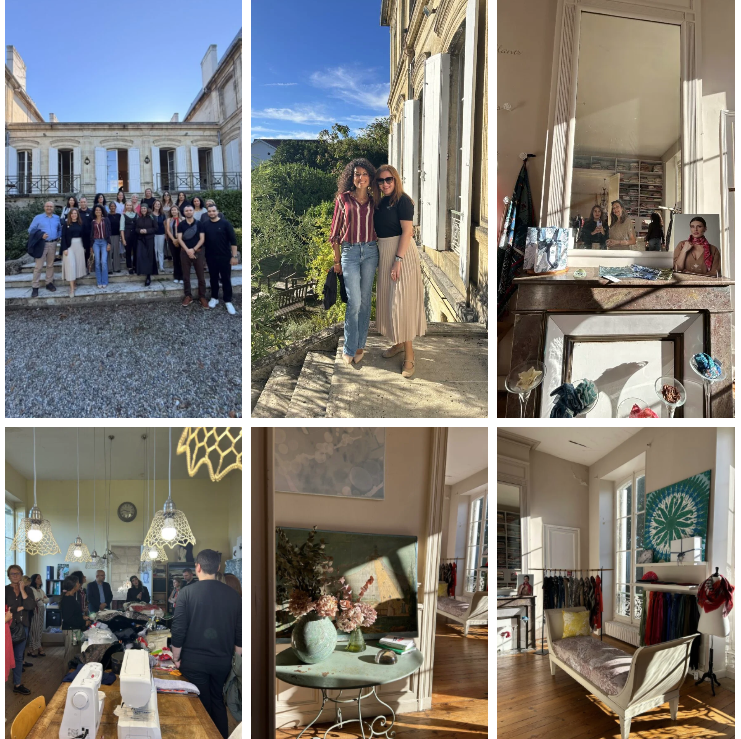
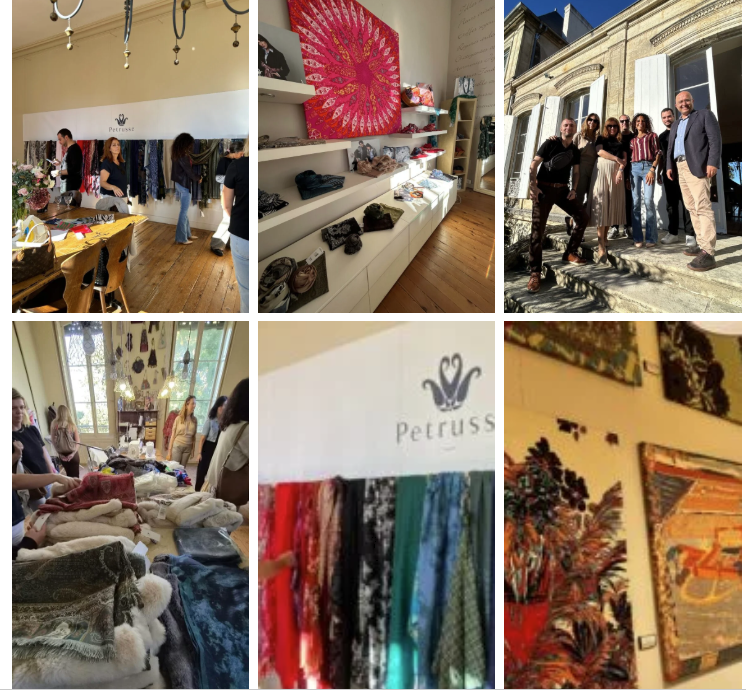
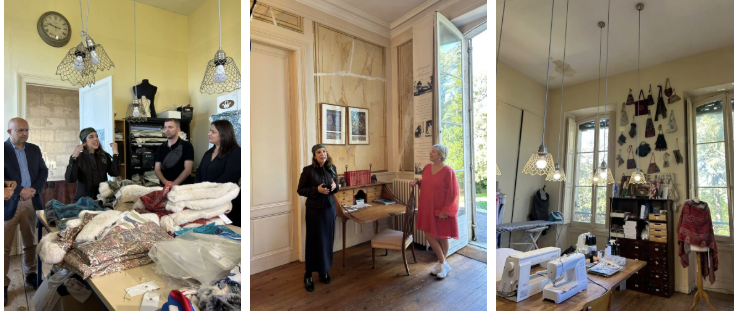
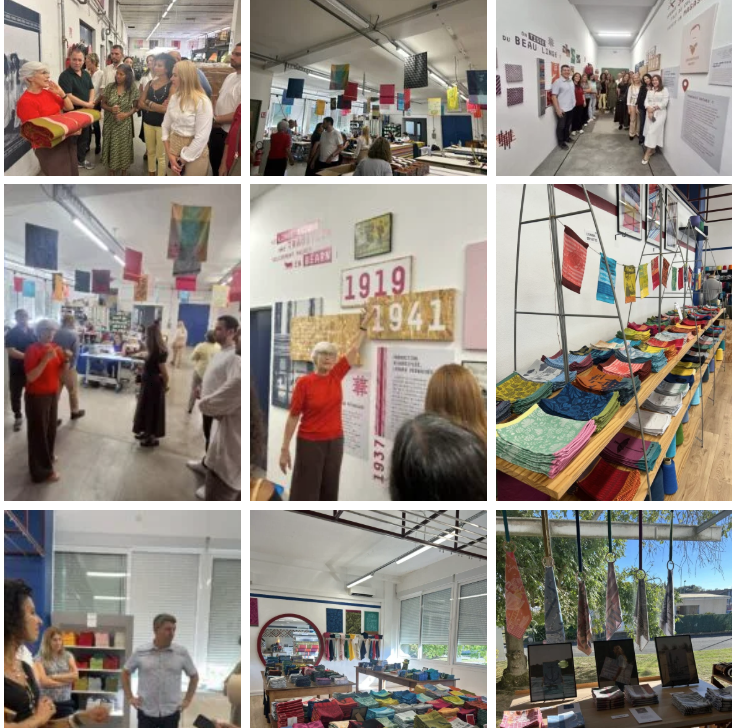
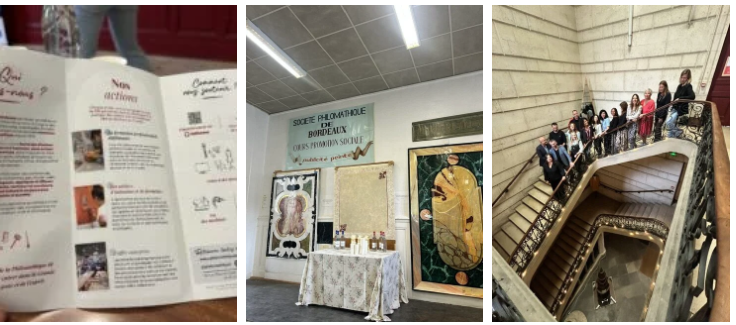
The programme in Bordeaux included working sessions of the Sector Group Textiles, where Enterprise Europe Network representatives discussed current developments in the sector, opportunities for cooperation and ways to strengthen support for textile companies. An inspiring part of the programme was the visit to Maison Petrusse, a renowned house specialising in artistic silk and cashmere shawls and scarves. The visit demonstrated how textile heritage, art, design and contemporary approaches to production can be successfully combined to create products with high added value. It was also a reminder that innovation does not necessarily mean leaving tradition behind. Traditional knowledge can become a powerful source of new value when combined with contemporary ideas and creativity.
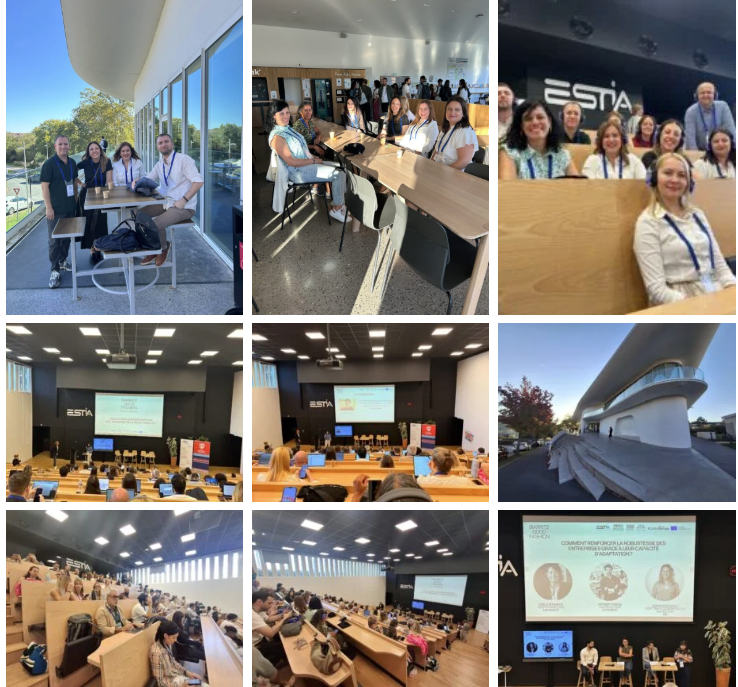
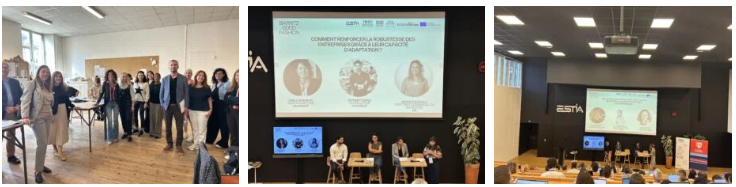
In Biarritz, the programme continued with Biarritz Good Fashion, featuring workshops and conferences dedicated to fashion and the circular economy. The discussions explored important questions about the future of fashion: how products can remain in use for longer, how resources can be used more efficiently, and how textile materials can be brought back into the production cycle. Circularity is increasingly becoming one of the key directions for the transformation of the European textile industry – moving away from a traditional “produce, use and discard” model towards an economy in which materials retain their value for longer.
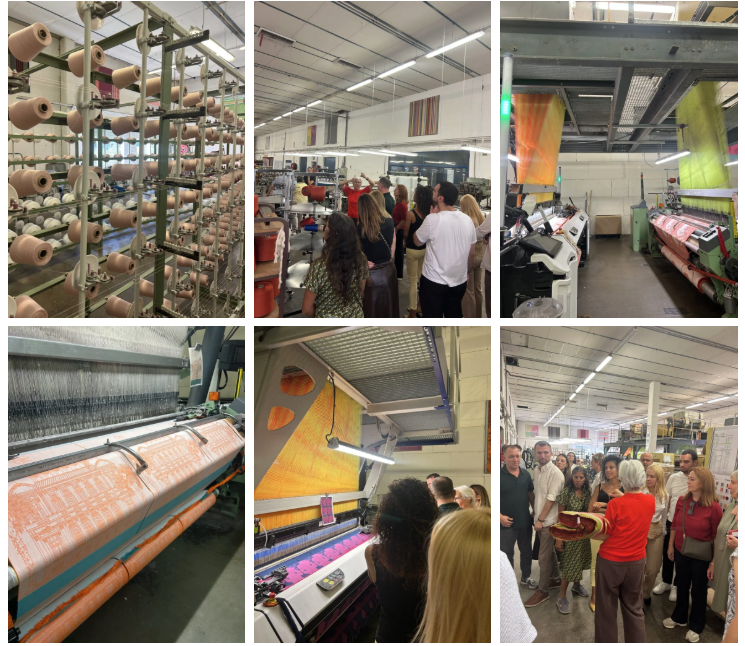
Another highlight was the visit to Tissage Moutet in Orthez, a family-owned company whose history dates back to 1874. Participants had the opportunity to discover the complete technical process of high-end Jacquard weaving, from thread to finished product. The company offered an inspiring example of how more than 150 years of craftsmanship and know-how can be preserved while continuing to evolve in response to the needs of today’s market.
The transformation of the textile sector is not only about new machines and technologies. It is also changing the knowledge and skills that companies and their employees will need in the future. This was one of the central topics of the French National Skillbridge Event in Biarritz, focused on professional training and the evolution of skills across the textile, leather, footwear and luxury sectors. With the involvement of organisations including Euratex, Cotance and the European Footwear Cluster, the event provided an opportunity to exchange perspectives on how the sector can better prepare for the green and technological transition.
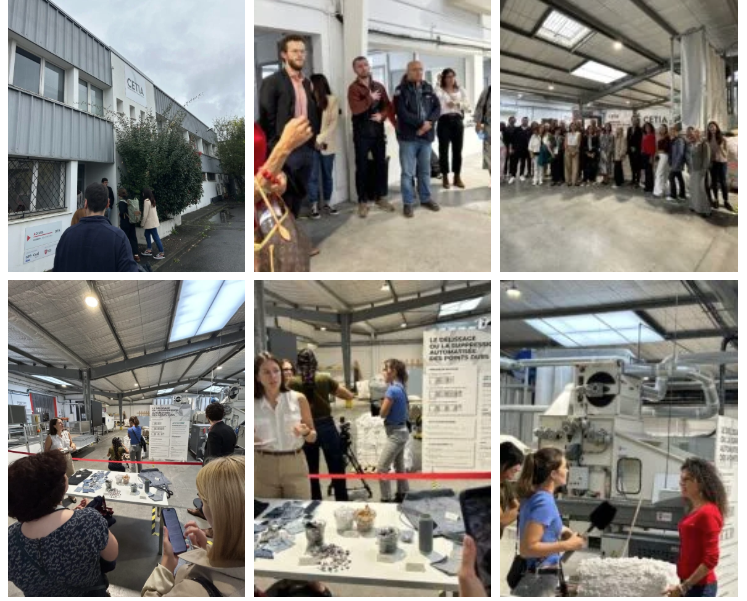
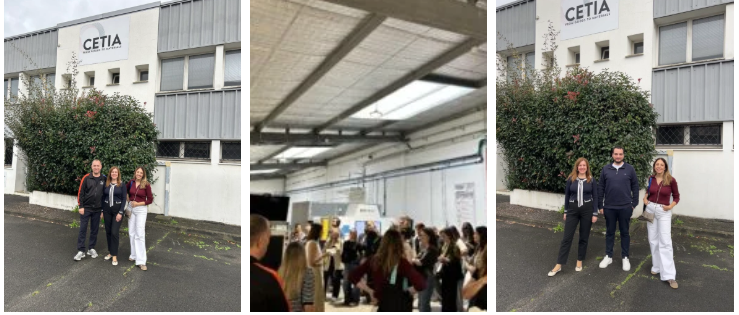
Particular attention was also given to the visit to CETIA in Hendaye, an innovation centre dedicated to the industrialisation of textile and footwear recycling. The technical visit showcased solutions for automated textile sorting, preparing textile materials for recycling and shoe dismantling. Here, the concept of the circular economy could be seen in practice. Instead of treating used textiles and footwear simply as waste, new technologies are opening opportunities to recover their materials and transform them into valuable resources for new production processes.
For MIR foundation, participation in the Sector Group Textiles Meeting 2026 provided valuable opportunities to exchange knowledge and experience with European partners and gain deeper insight into the transformations already taking place across the textile industry. From traditional craftsmanship and high-quality production to circular fashion, future skills, automation and recycling, the programme demonstrated that the future of the textile industry will depend on our ability to connect tradition, knowledge, technology and sustainability.
At the same time, meetings organised within the Enterprise Europe Network provide an important platform for developing professional connections and partnerships and bringing companies closer to European knowledge, practices and opportunities. MIR foundation will continue to actively follow European developments and strengthen international partnerships, helping translate new knowledge, contacts and good practices into concrete opportunities for innovation, development and cooperation for companies and organisations in North Macedonia.
