Successful Bootcamp held within the STREAM-IT Mentoring program for science communication
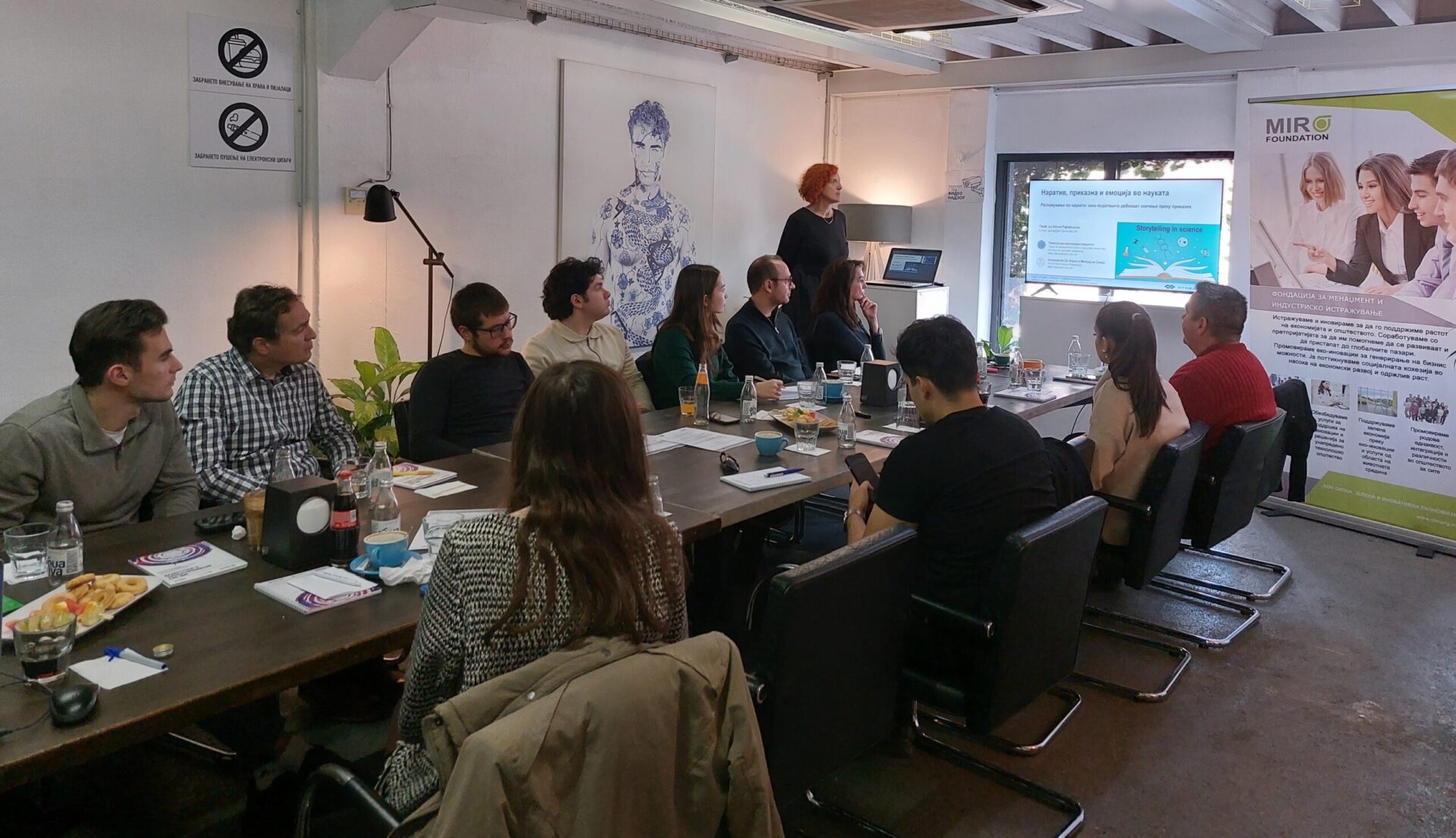
On January 15, 2026, the introductory Bootcamp of the Mentoring program for science communication was held as part of the European project STREAM-IT. The event brought together the 12 selected young scientists and researchers from STEM fields who, over the next six months, will work on developing skills for effective and inspiring science communication.

The day began with opening remarks from the organizers, who presented the goals and structure of the program. Special attention was given to the importance of science communication and the role of mentors in the professional development of the participants.
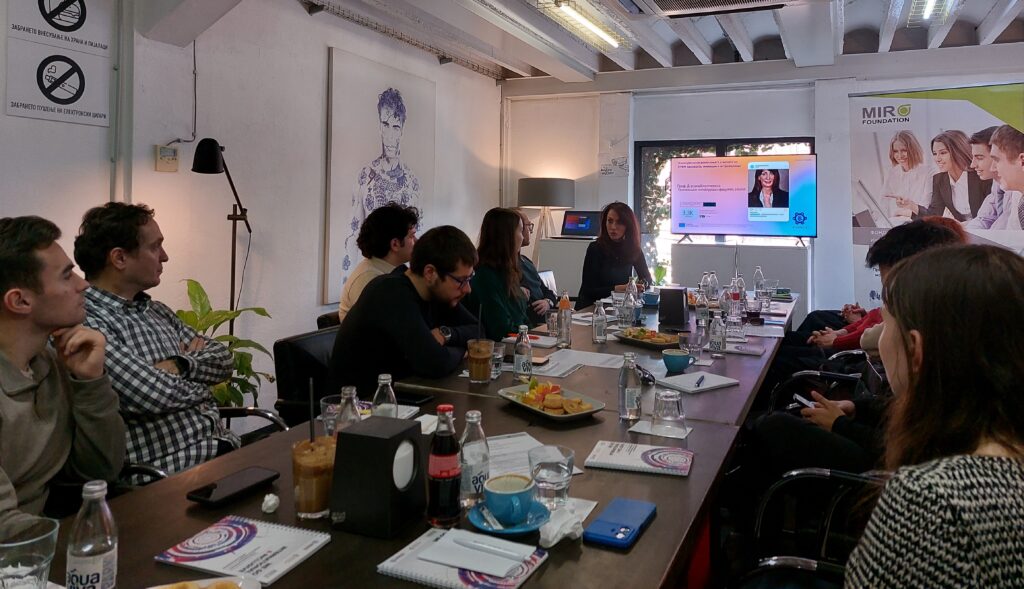
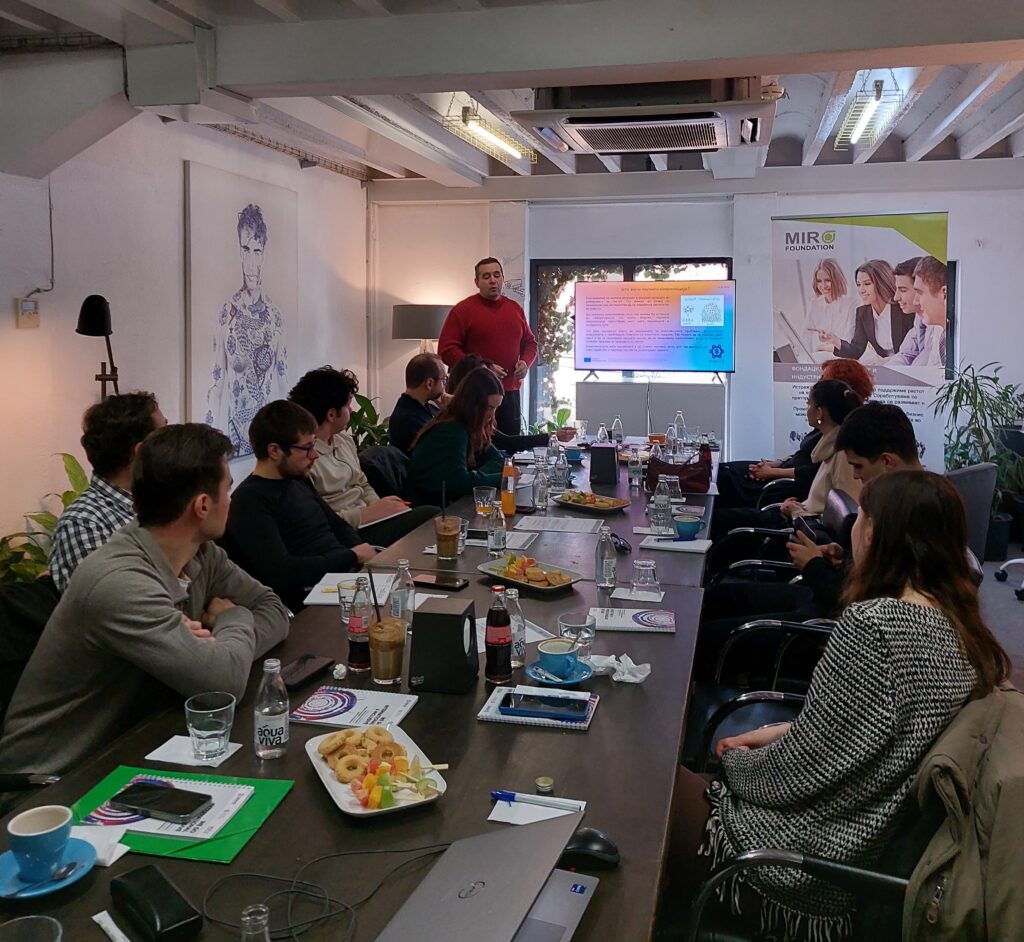
This was followed by an introduction to the mentors, experienced professionals who will provide individual and group support throughout the entire program. After a brief thematic lecture on the fundamentals of science communication, participants moved on to the practical part of the day. Each of them presented their research in the form of mini-presentations and then received constructive feedback from the mentors, which served as an excellent starting point for getting to know one another.
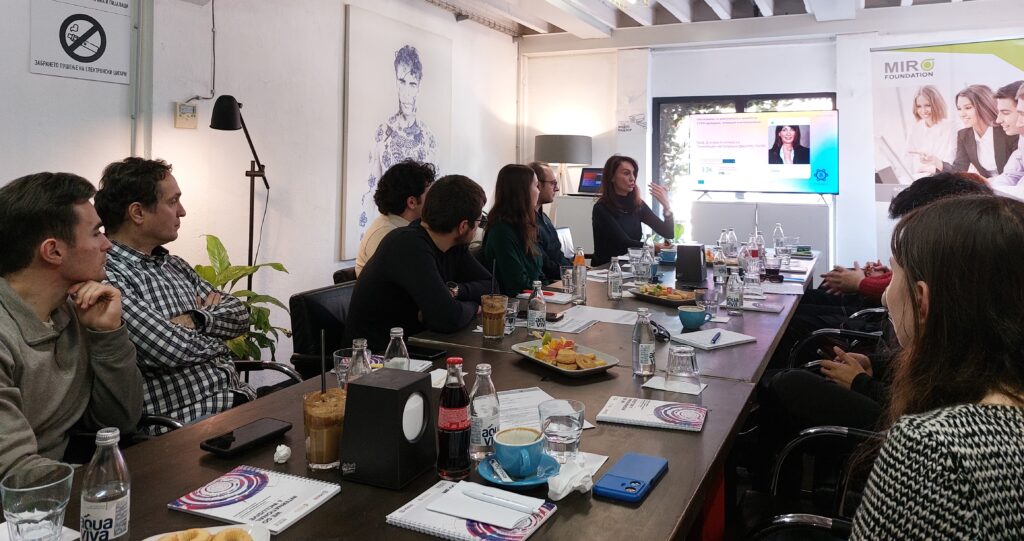
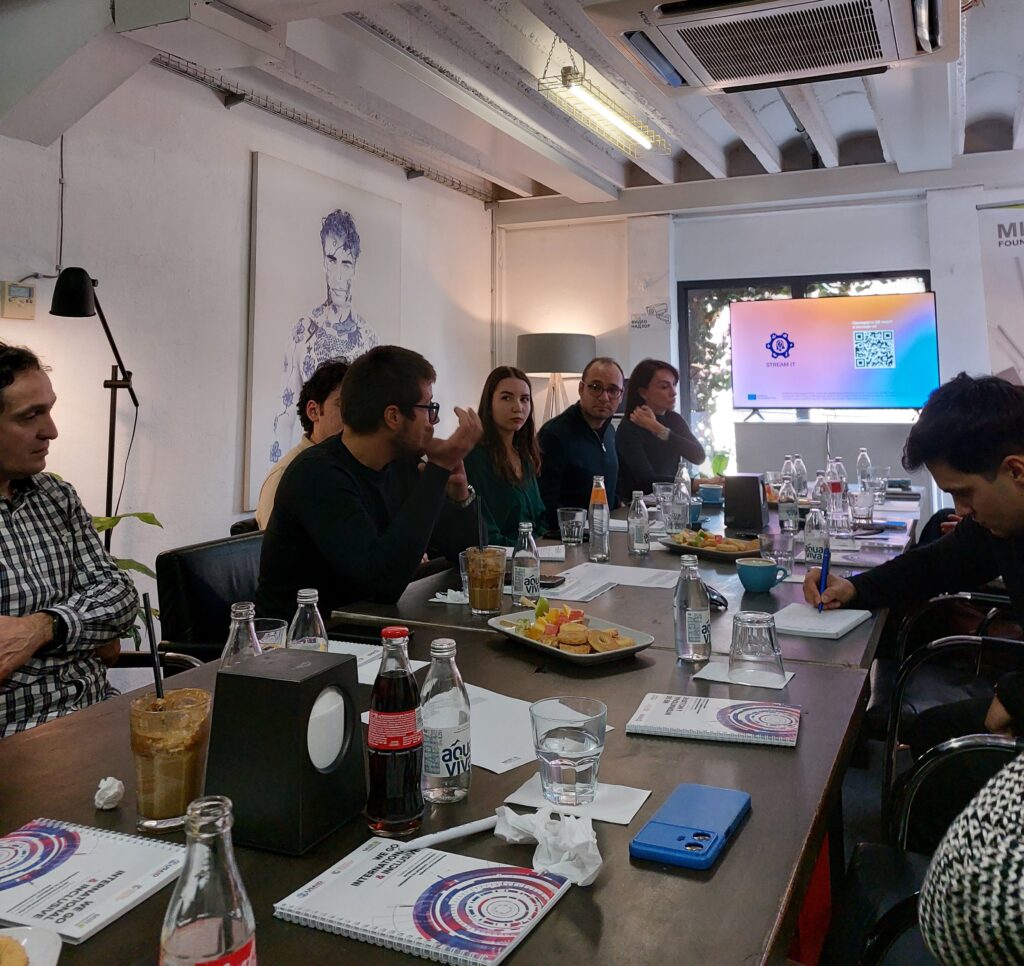
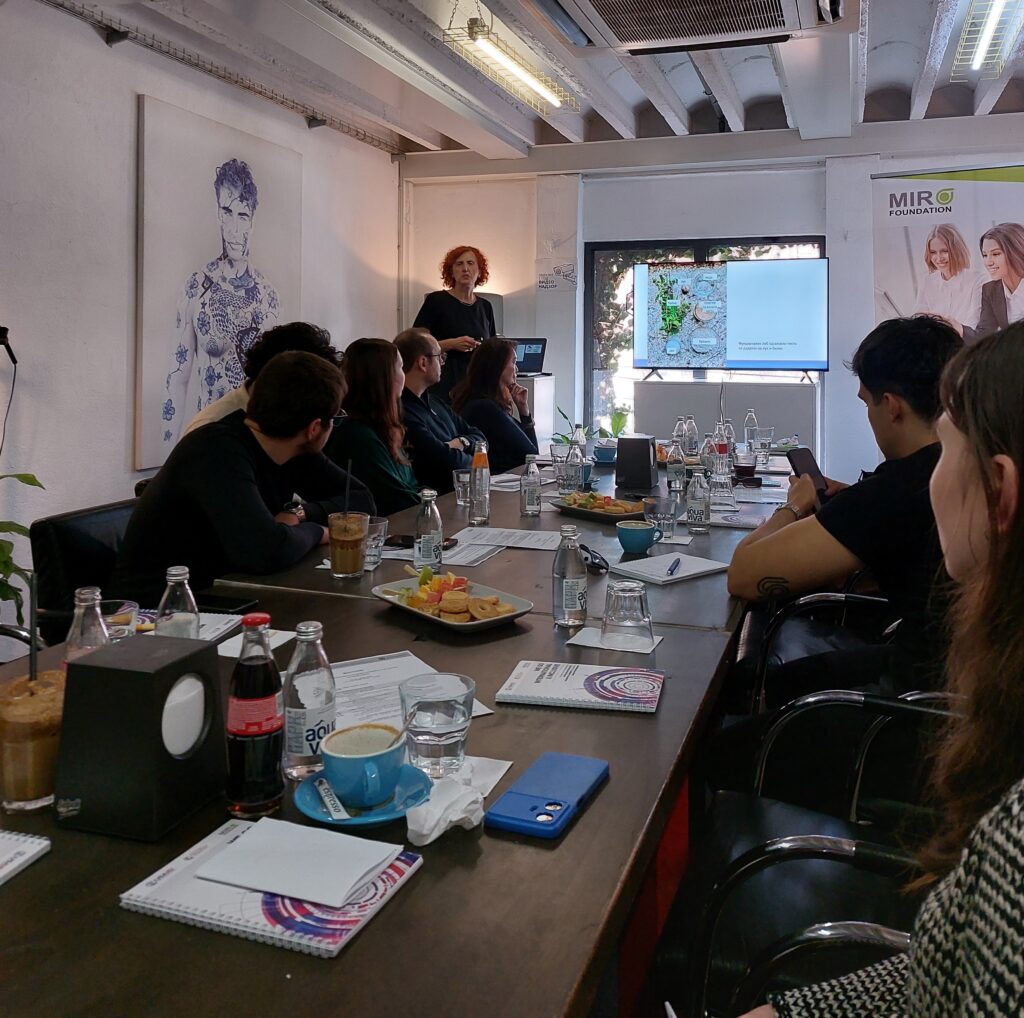
The event concluded with a short reflection on the day and a discussion of the upcoming activities within the program. In the coming months, the young scientists will continue developing their communication skills through mentorship and practical exercises. The goal is to prepare for the national science communication competition in May 2026, where the winner will represent North Macedonia at the international competition in Budapest in June 2026.
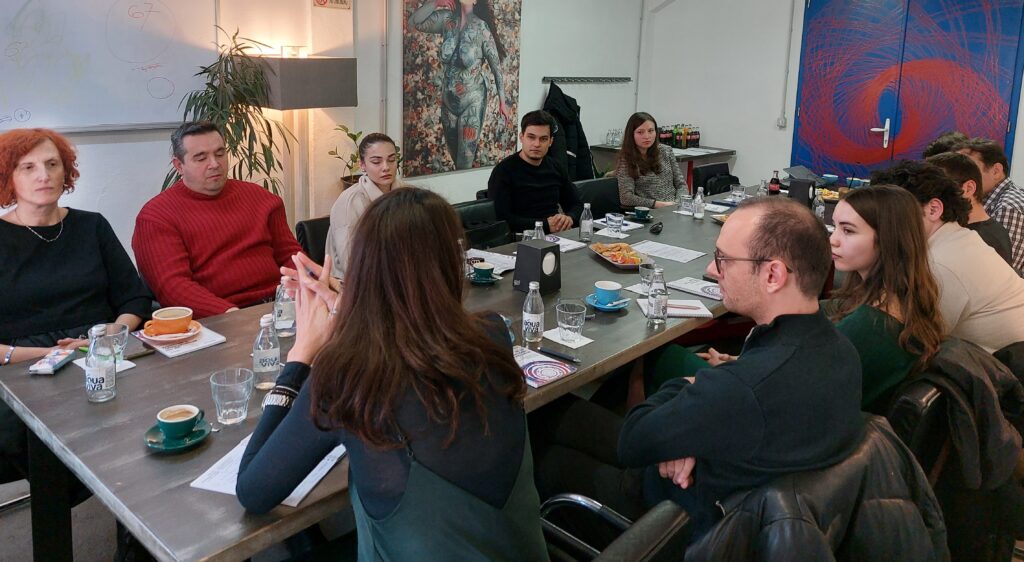
This Bootcamp laid a solid foundation for a successful mentorship program that will help young scientists bring science closer to the public in an inspiring, accessible, and modern way.
This program is part of the ST(R)E(A)M IT project, a project which aims to initiate change about the persisting gender inequalities in STEM education, research, and innovation to contribute to the implementation of the ‘The European Manifesto for gender-inclusive STE(A)M education and careers.’ The project aims to overcome the barriers and challenges faced by underrepresented groups in STEM. It focuses on developing innovative, gender- and diversity-inclusive tools for educating young people, particularly young girls. Additionally, the project seeks to mobilize stakeholders from various sectors of STEM education and the R&I ecosystem to create sustainable networks that provide ongoing support to STEM education providers.