Module 3 of the STREAM-IT Mentoring Programme: From research to a clear and impactful message
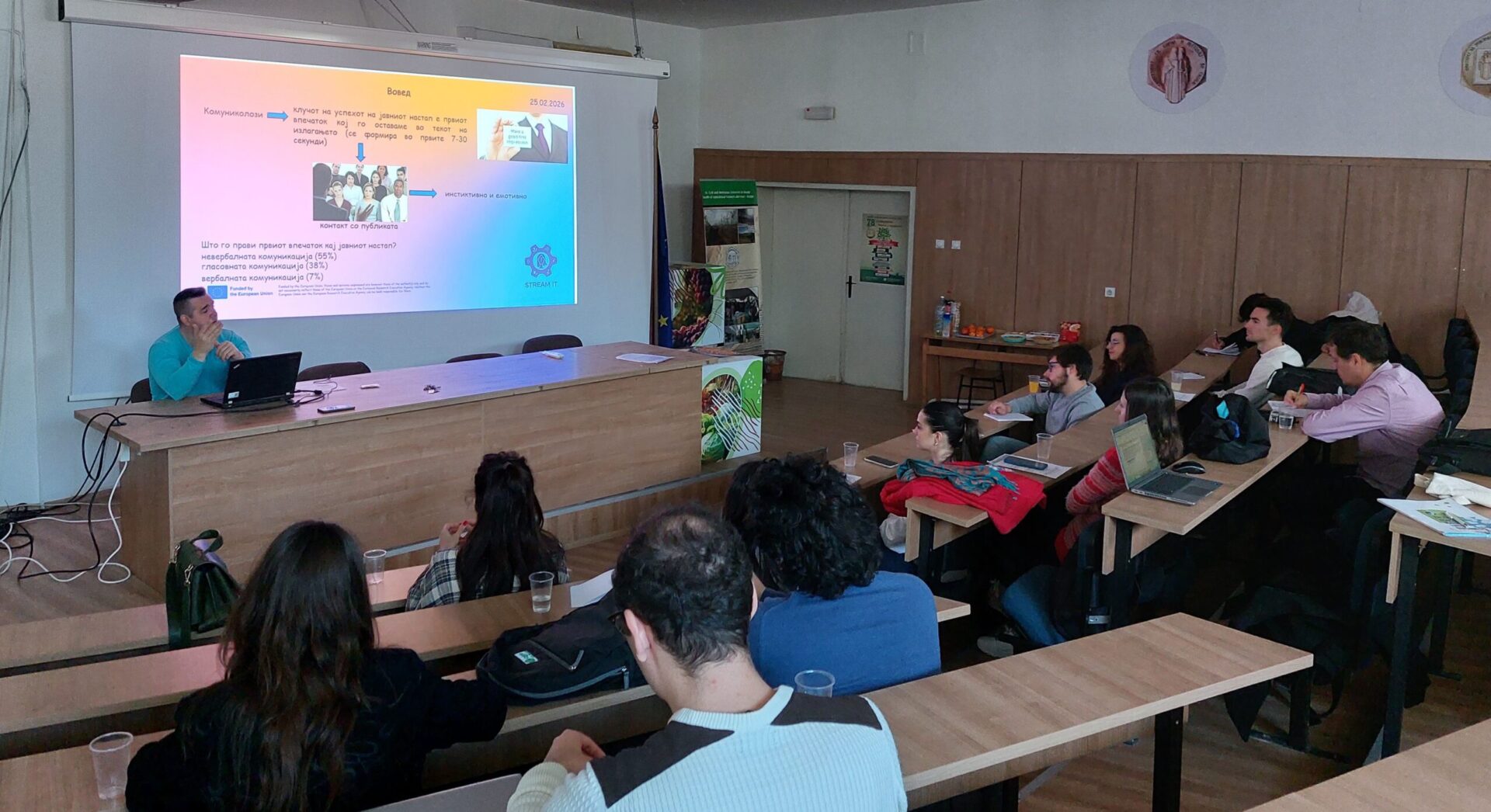
On 25 February 2026, the third module of the Mentoring Programme for science communication took place as part of the STREAM-IT project. While previous sessions focused on confidence, personal development, and building a scientific identity, this module challenged participants with a key question: how can complex research be transformed into a clear, impactful, and memorable message?
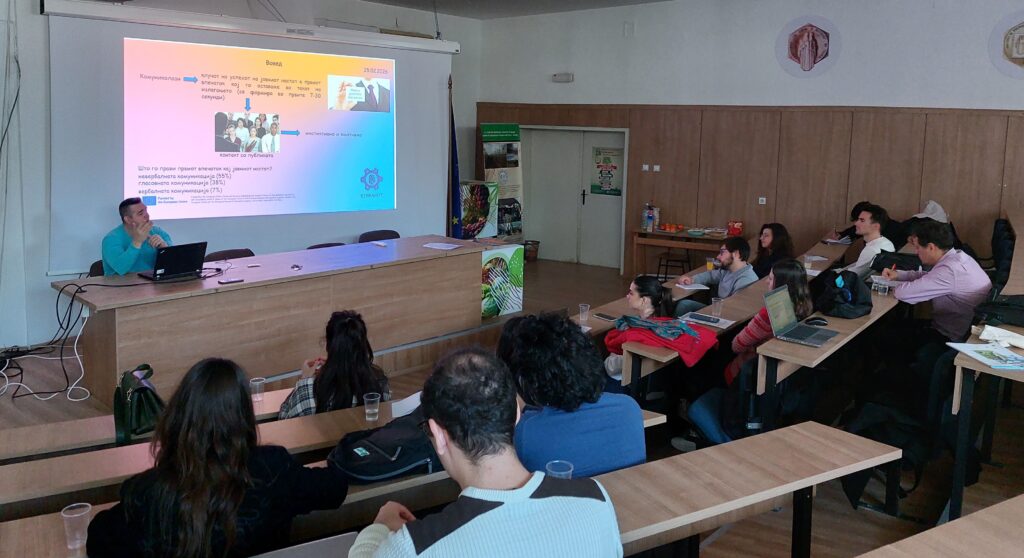
The day began with a discussion about the different “stages” where a scientist may find themselves: from conference halls and television studios to meetings with investors. Participants explored how context shapes the way a message is delivered and why effective communication is not simply about sharing information, but about carefully structuring focus, language, and narrative.
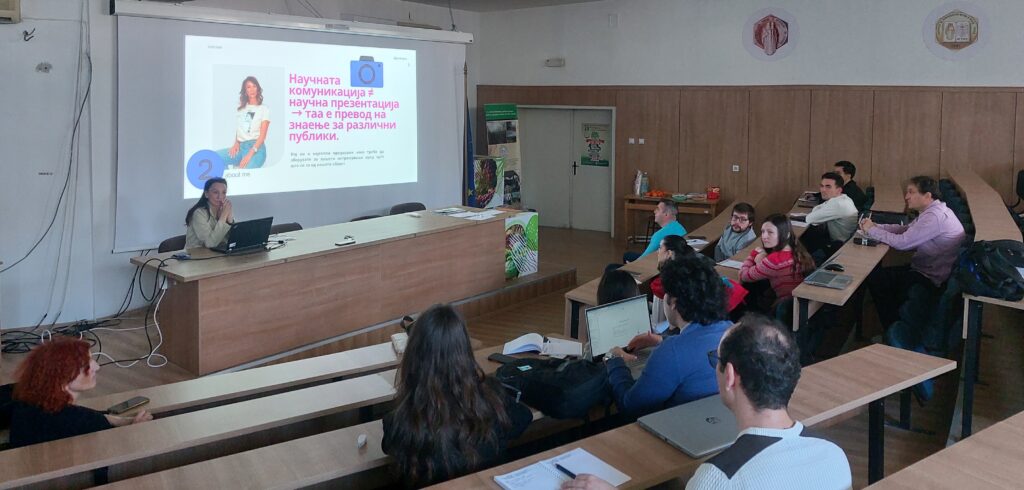
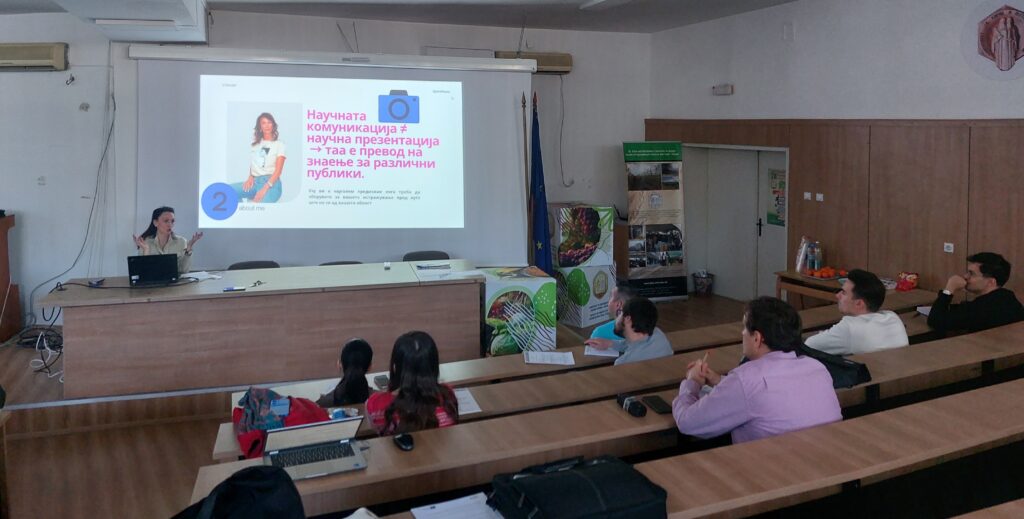
A particularly valuable part of the module was the analysis of real-life examples. Rather than relying on theory alone, participants identified through discussion what makes a presentation effective – and what does not. They examined what happens when there is no central message, how overly technical explanations can distance an audience, and why clarity of structure is essential for engagement.
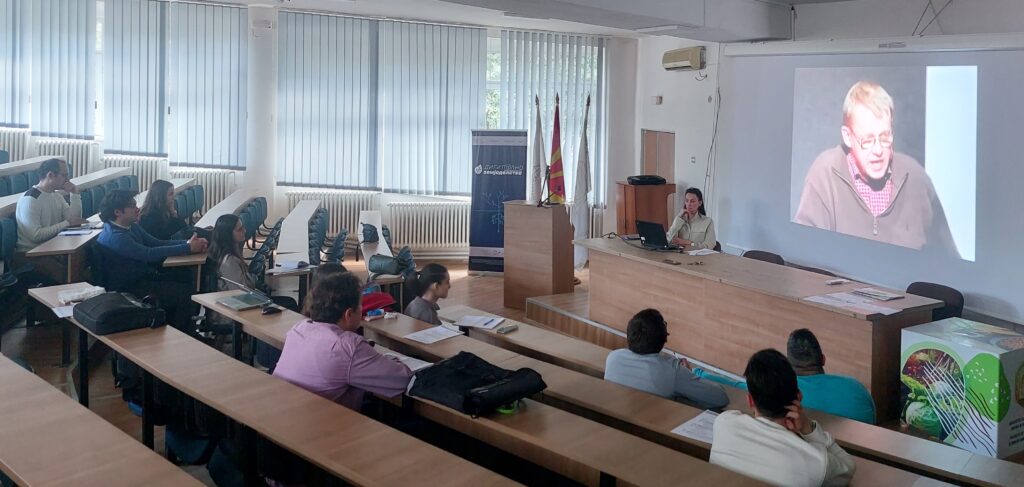
In the second part of the module, the atmosphere became more dynamic. The same research abstract was transformed into three different formats: a media interview, an investor pitch, and a public presentation for a general audience. This exercise clearly demonstrated that there is no single version of research communication. In some contexts, impact takes center stage; in others, applicability or accessibility becomes the priority.
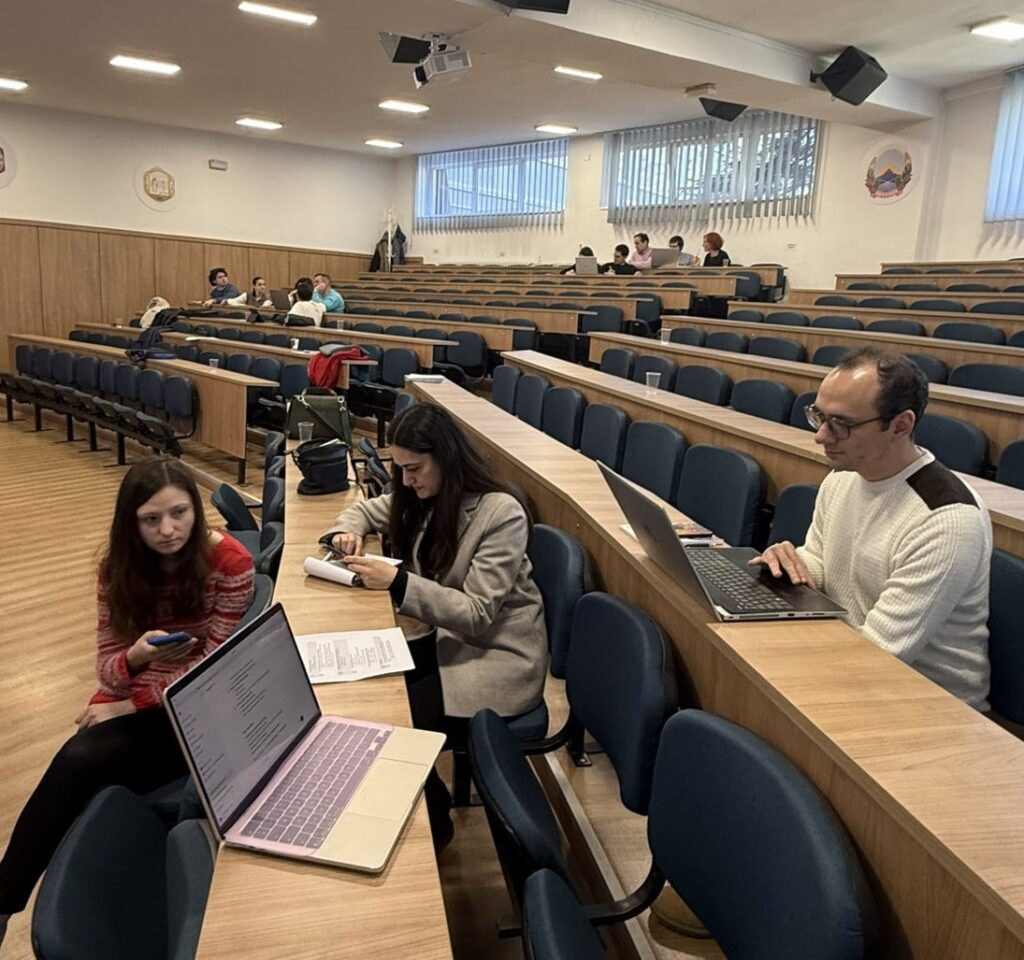
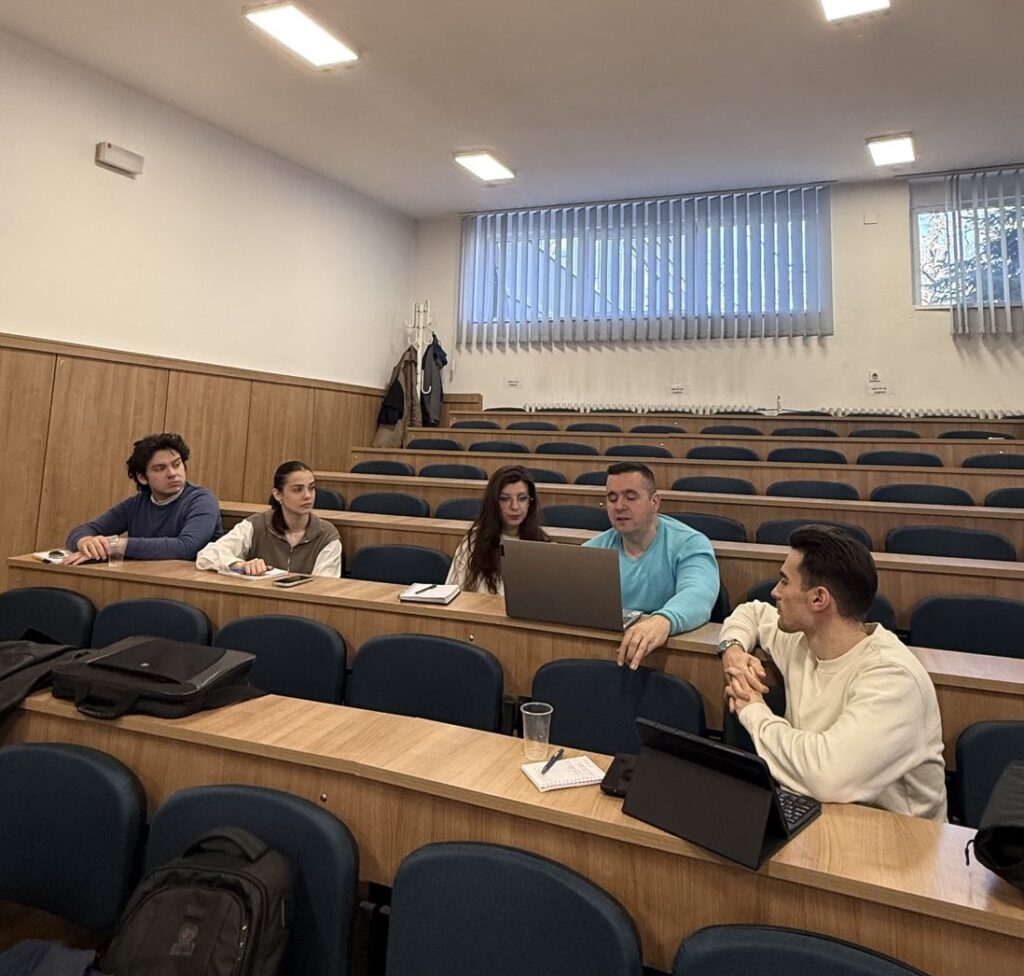
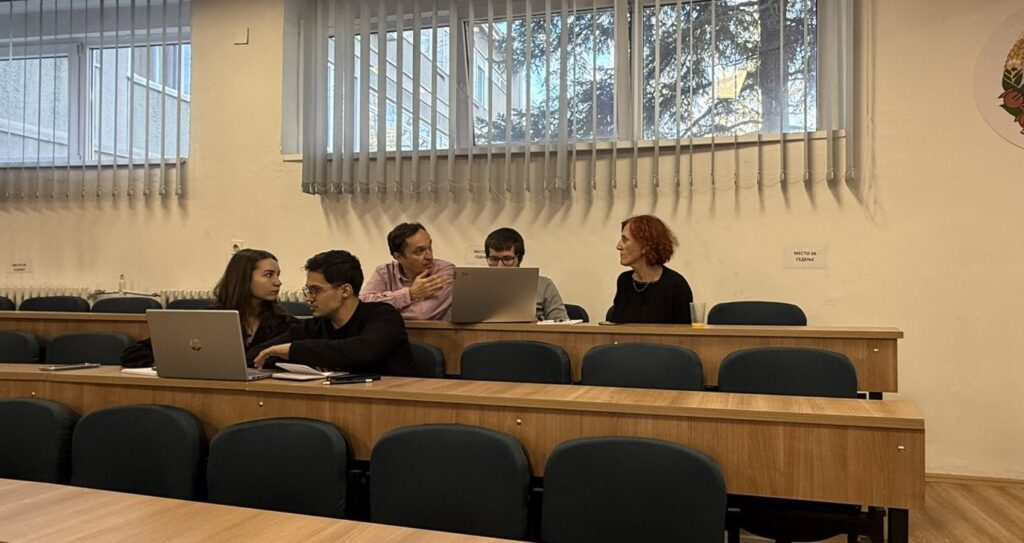
The module concluded with a simulation focused on audience interaction. Several participants presented their research and responded to questions, ranging from skeptical and oversimplified to those beyond their direct expertise. The exercise helped them practice delivering clear and concise answers without getting lost in unnecessary technical detail.
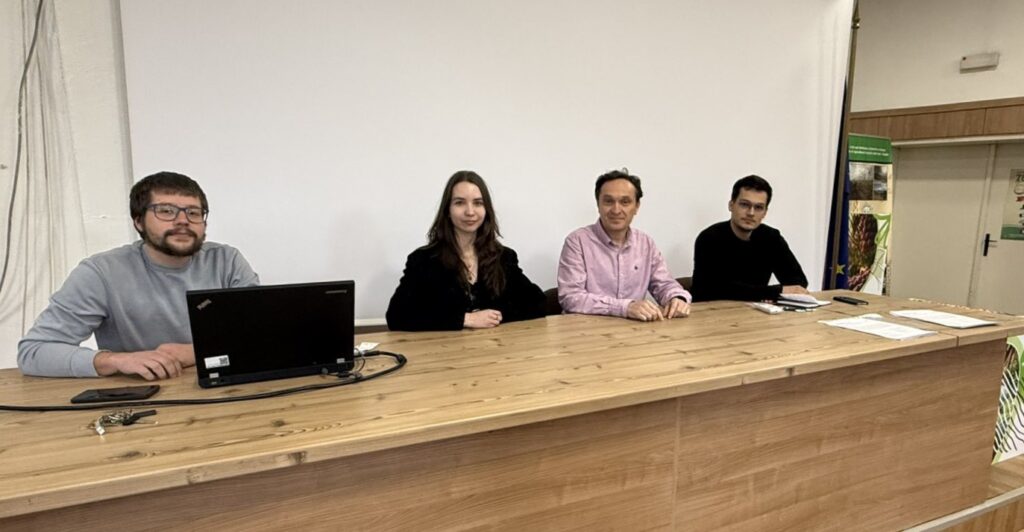
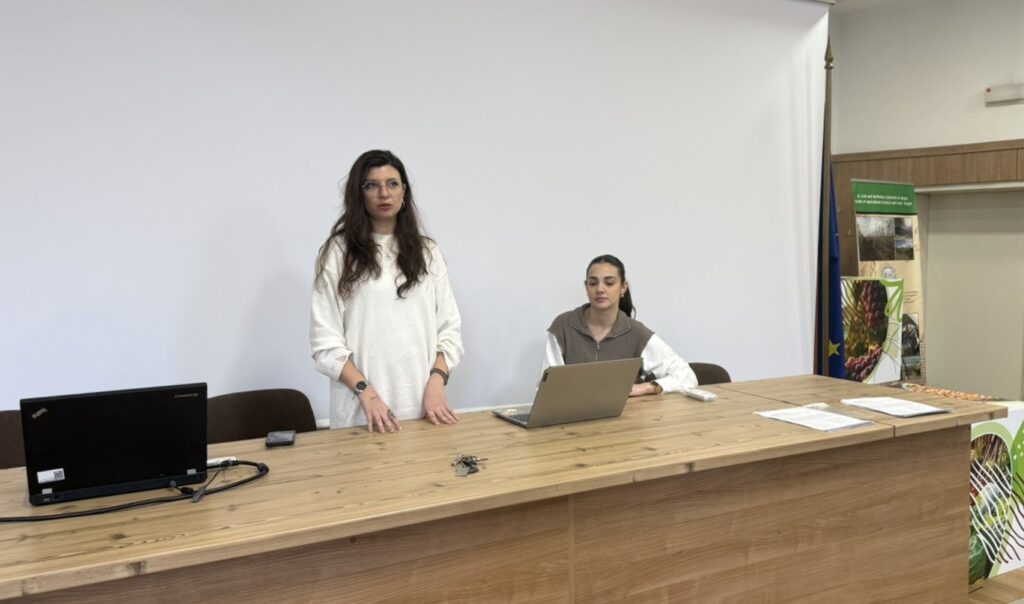
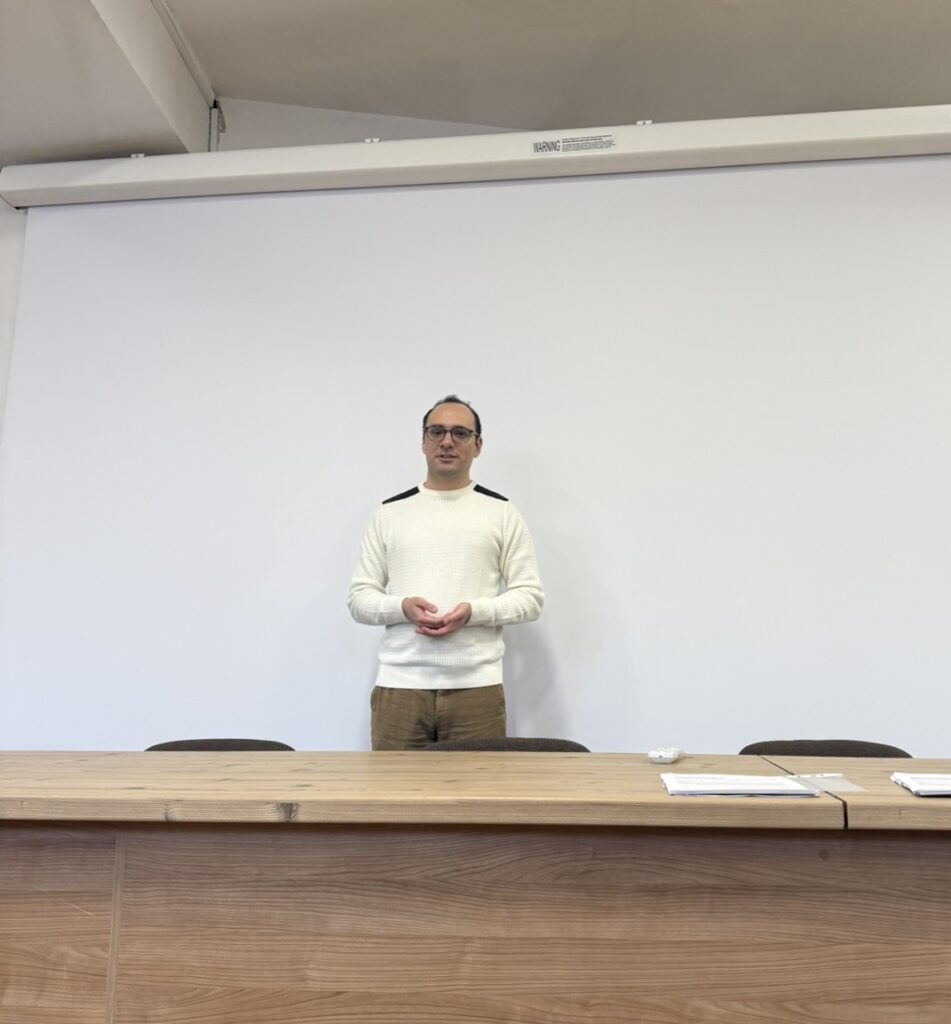
With this module, participants took an important step toward strategically shaping their scientific message – a skill that will be essential in preparing for the national science communication competition, as well as throughout their professional careers.
This program is part of the ST(R)E(A)M IT project, a project which aims to initiate change about the persisting gender inequalities in STEM education, research, and innovation to contribute to the implementation of the ‘The European Manifesto for gender-inclusive STE(A)M education and careers.’ The project aims to overcome the barriers and challenges faced by underrepresented groups in STEM. It focuses on developing innovative, gender- and diversity-inclusive tools for educating young people, particularly young girls. Additionally, the project seeks to mobilize stakeholders from various sectors of STEM education and the R&I ecosystem to create sustainable networks that provide ongoing support to STEM education providers.